
As the busyness of nearby shops increase to a Christmas-time fever, we at Merri Creek Management Committee encourage you to find reprieve in a walk on the Merri in Gunyang season. Gunyang is a time during which Wurundjeri people bring attention to the grass seed ripening, the characteristic flutter of male Golden Sun Moths, and skinks and lizards basking in the sun. (Perhaps you could also hear the call of the Growling Grass Frog in the evenings?)
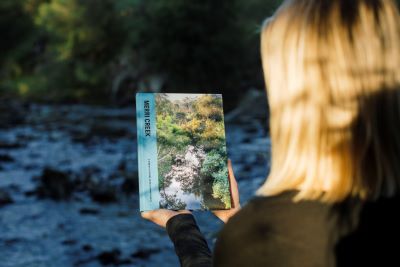 Image by DesignByNature.
When: 4pm - 6pm, Thursday 23rd October
This Teachers Education Network (TEN) event is for educators in the Cities of Whittlesea, Banyule and Nillumbik, to consider innovative leadership and to better forefront and connect with Wurundjeri Woi-wurrung Country for early years, primary, secondary and tertiary educators.
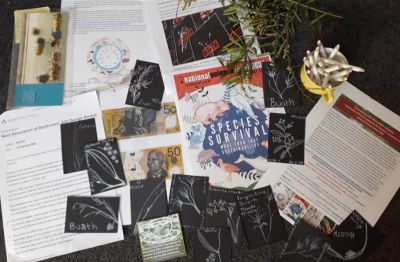
When: 1pm - 3pm, Friday 24th October
We'll notice how birds and habitat reveal Wurundjeri Country's seven seasons through animal behaviour and plant display, as part of the Great Southern Bioblitz campaign in Greater Melbourne.
Join Hume Council's Urban Biodiversity Officer, Melissa Dougherty and MCMC's Biodiversity and Waterway Dr Angela Foley to visit one of Hume's most significant grasslands at Bababi Marning, aka Cooper St Grasslands, between Cooper Street, Metrolink Circuit and Merri Creek, Campbellfield.
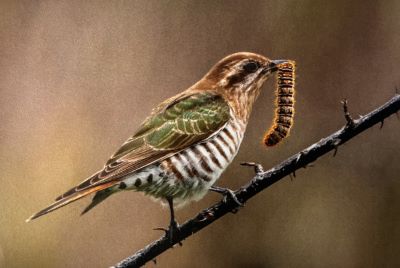 Horsfield''s Bronze Cuckoo, image by Jonathan Tickner.
There was an unusual sight at Newlands Primary School one chilly morning in June: dozens of Grade One and Two students carefully planting seedlings in a narrow strip of land along Murphy Street.
Working with quiet focus despite their excitement, the children moved expertly through the steps they’d learned: checking the plants’ root systems, packing soil, laying mulch, and gently watering the seedlings once they were settled in the earth. The activity was part of a broader project to transform neglected areas of the school grounds into a thriving indigenous habitat corridor and wellbeing garden.
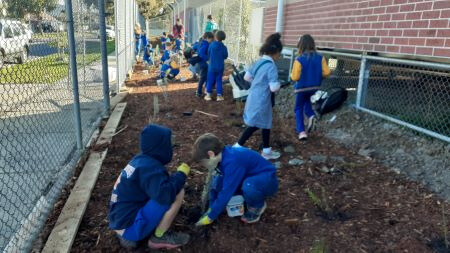 Students from Newlands Primary School planting.
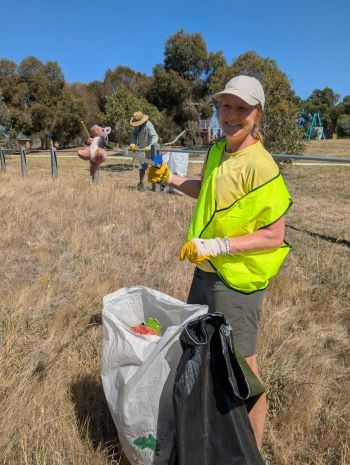 Amy Sledziona, founder of Friends of Malcom Creek. Amy Sledziona is a veterinarian and the founder of the reinvigorated volunteer group Friends of Malcom Creek, a tributary of the Merri Creek. Amy lives on the rapidly expanding northern edge of Melbourne where she identified a need for new locals to connect with and protect nature and waterways.
On a crisp June morning, a committed group of community volunteers knelt in the soil along Merri Creek, trowels in hand, planting shrubs that will shape the future of their neighbourhood. Among the 12,000 seedlings funded through the MCMC Green Links project were a handful from Euroa, 150 km to the north – plants that had never felt Melbourne’s chilly winter before yet might hold the key to thriving here as the climate changes.
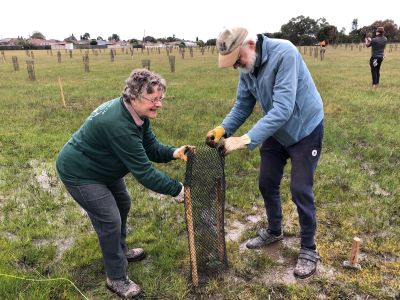 Volunteers planting the Tree Banksia Orchard in Fawkner.
As the length of days and nights become even and warmer temperatures are felt in Porneet season on Wurundjeri Woi-wurrung Country, you could be lucky enough to see a Sacred Kingfisher show itself along the Merri Creek as it hunts for grasshoppers, crickets, beetles, frogs, yabbies, and skinks amongst the grasses and bushes of the Merri Creek and surrounds.
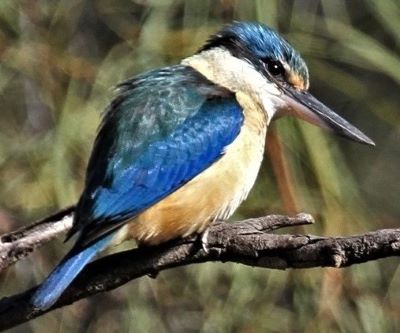 Sacred Kingfisher (Todiramphus sanctus)
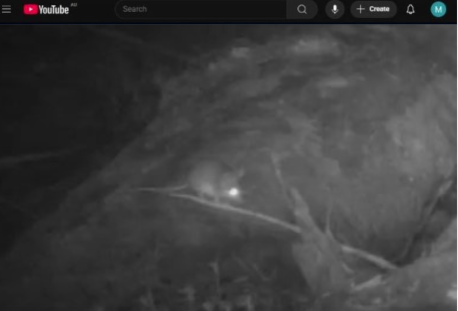
Fauna monitoring at Hidden Valley Bushland Reserve (in the north of the Merri Creek catchment) has revealed exciting footage of the Slender-tailed Dunnart, a small marsupial that relies on healthy ground cover habitat for the insects it loves to eat.
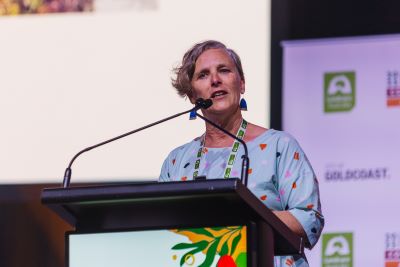 MCMC's CEO Bernadette Thomas. Image by Landcare Australia. At the National Landcare Awards on September 23rd, Merri Creek Management Committee was awarded the Australian Government Community Partnerships Landcare Award.
This is recognition of the work of many people over decades to repair, restore and protect the Merri Creek and catchment. Congratulations everyone!
The Award acknowledges individuals, groups, or organisations that have demonstrated leadership and achievement in landcare-related activities, as a result of working in partnership with others in their community.
Contratulations to all the other 2025 National Landcare Award winners.
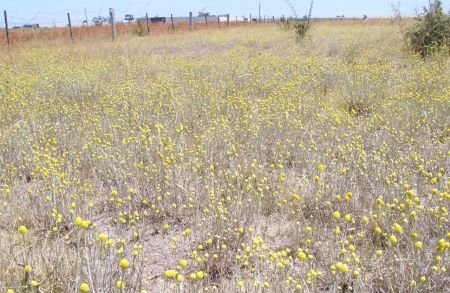 When: 10am - 12pm, Sunday 12th October
Join Merri Creek Management Committee’s ecologists for a walk around bababi marning (Cooper St Grassland) in Campbellfield, home to Golden Sun Moths, Matted Flax-lilies and a host of other grassland species.
More Articles …
- galgi ngarrk (Craigieburn Grassland) – Walk and talk
- Fundraising Subcommittee Members (voluntary)
- Birding along the Merri Creek by Jonathan Tickner
- Growling Grass Frogs at Curly Sedge Creek
- Wollert Community Farm: the community that cares for Curly Sedge Creek
- Doug Frood: a lifelong nature connection and hope for Curly Sedge Creek
- The nose knows: could this dog help save a critically endangered plant?
- Protect Curly Sedge Creek: a stronghold for a precious species
- Future Directions Plan celebrated
- iuk on the Merri: the season of a monumental journey
Page 4 of 17
Merri Events Calendar
09:30AM - 11:30AM
FoMC Coburg Lake & Surrounds - Wednesday Working Bee
10:00AM - 11:30AM
MCMC: Connecting Kids with Birrarung's Creatures
10:00AM - 11:30PM
MCMC: Platypus, People and the Birrarung: Making Peace with Change
09:30AM - 11:30AM
FoMC Coburg Lake & Surrounds - Friday Working Bee
10:00AM - 12:00PM
FoMC @ Northcote Gorge - Weeding and Litter Pickup Event
10:00AM - 12:00PM
FoMC @ Edgars Creek - Maintenance Event
10:00AM - 12:00PM
MCMC: galgi ngarrk - walk and talk
04:30PM - 06:30PM
MCMC: Searching for platypus: Platy Project dusk walk at Birrarung and the Merri at Dights Falls
09:30AM - 11:30AM
FoMC Coburg Lake & Surrounds - Wednesday Working Bee
09:00AM - 10:30PM
MCMC: Beveridge bird walk & bird count



Connect on Social Media |


 Merri Creek Management Committee. 2 Lee St, East Brunswick, Victoria, Australia 3057 (view map in new window )
Phone:(03) 9380 8199 Email: ABN: 13 025 599 242
© Merri Creek Management Committee